ReStory: Chill Electronics Repairs Device Difficulty Tier List
Know which walk-ins to accept before screws, hinges, or ethics overwhelm your day.
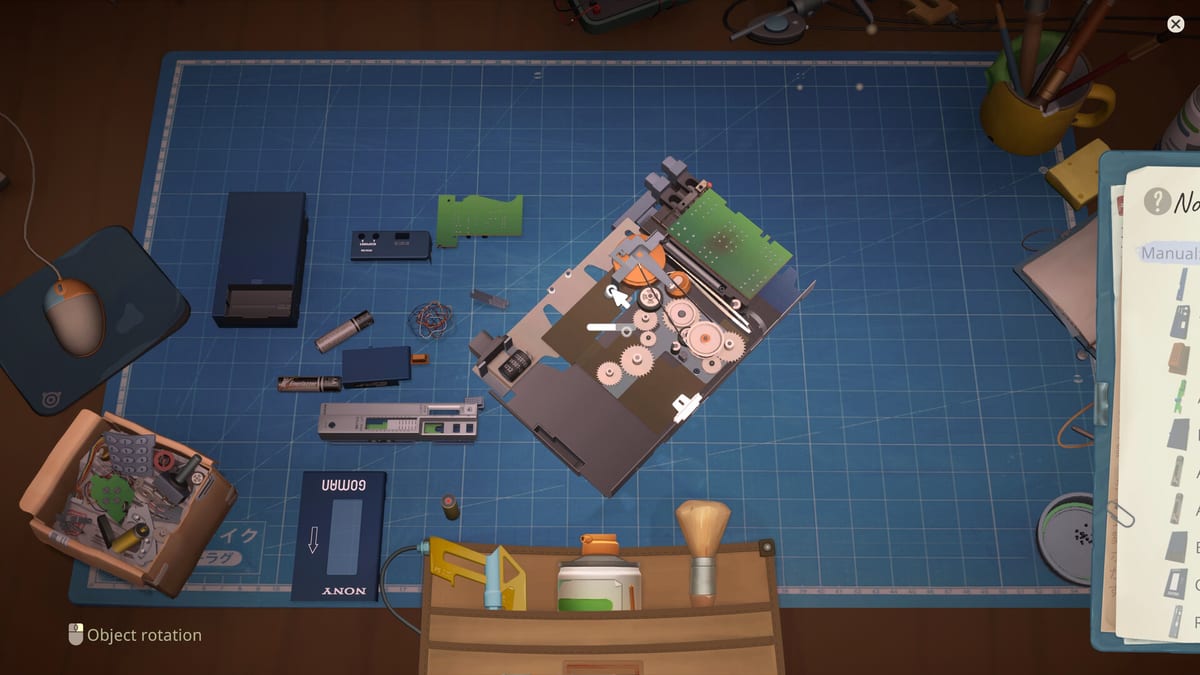
Not every nostalgic gadget in ReStory: Chill Electronics Repairs demands the same bench time. A dusty music player might need brushing and one ribbon cable; a flip phone with a torn flex combines hinge physics, tri-wing screws, and Hana-level privacy stakes. This device difficulty tier list ranks hardware families by mechanical complexity, license requirements, and typical failure cost—so you can triage walk-ins alongside Upgrade priority and Parts checklist.
Difficulty assumes default repair precision unless you lowered the slider on Controls after the launch patch.
Tier definitions
| Tier | Skill profile |
|---|---|
| E | Tutorial-safe; minimal parts |
| D | Single-layer cases; common screws |
| C | Multi-panel; consumables needed |
| B | Hinges, flex, or heat work |
| A | Licensed shells + collector expectations |
| S | Multi-system jobs with story/time pressure |
E-tier devices
Basic feature phones (early tutorial) — Hashimoto’s opening Pokia-style job in First Days walkthrough teaches cleaning and reassembly without hinge terror.
Simple remote controls / small appliances — Email filler jobs; good for Beginner tips cash when story walk-ins pause.
D-tier devices
Virtual pets (Yuri) — Plastic latches reward patience more than tools. Emotional dialogue adds stress, not mechanical depth.
Basic media players without encryption twists — Brush, belt, jack replacements; stock parts from How to Get Spare Parts.
C-tier devices
Handheld PMP / early portables — Screen lens, battery doors, clip stress. Practice before licensed consoles.
Point-and-shoot cameras (pre-corrosion) — Light seals and battery covers; moderate screw diversity.
Email-order duplicates of tutorial hardware — Same shape as E-tier but timers or margin pressure bump effective difficulty.
B-tier devices
Flip phones (Hana) — Hinges, flex cables, custom shells. Requires magnification A-tier from Upgrade priority and phone licenses from How to Unlock Licenses.
Portable music players with storage (Kenji) — Data ethics aside, delicate boards and backup timing matter.
Cameras with corrosion (Grandma Chiyo) — Solder and cleaning; post-patch solder fixes help but patience remains key.
A-tier devices
Licensed Atari consoles and controllers (Takashi) — Official branding means conservative cosmetic choices and precision bits. Mistakes hurt collector reputation more than yen.
Retro consoles with tight tolerances — Shell clips strip easily; diagnostic bench recommended.
Dual-controller swaps — Label identical parts; shelf bugs at launch made organization critical—see How to Repair Devices.
S-tier devices
Kazuo-linked media players with inspection branches — Mechanics moderate; wrong dialogue causes more harm than stripped screws. Treat as S-tier for attention, not mini-game precision.
Rush jobs during rent crunch — Any device becomes S-tier if Hashimoto visits mid-teardown per Shop management.
Parallel walk-in + email backlog — Operational difficulty, not hardware—defer accepts when Parts checklist is half-finished.
Difficulty modifiers
| Modifier | Effect |
|---|---|
| Missing license | Effectively +1 tier |
| No magnification | +1 on hinge/flex jobs |
| Low spare stock | +1 on anything needing screens |
| High repair precision setting | +1 mechanical |
| Story return same day | +1 operational |
Accept or defer checklist
Before clicking accept on intake:
- License owned? Check Devices catalog.
- Tools unlocked? See Tool unlocks.
- Parts in stock or salvage ready? Parts checklist pre-pass.
- Story privacy ready? Story choices if Kazuo or Hana tags appear.
- Rent buffer ok? Early game walkthrough.
Deferral is professional, not failure—Takashi respects honesty over botched shells.
Device tiers versus story importance
Grandma Chiyo’s camera may be B-tier mechanically but S-tier emotionally—do not rank purely by screws when planning evenings. Conversely, an E-tier email duplicate can be ignored when Kenji waits.
Cross-links
- Tier list hub — upgrade companion list
- Walkthrough hub — story-tied device sequences
- Characters — who brings which tier
- Achievements — completion habits across device types
Accept jobs that match your bench today, not your aspirational neon shop tomorrow. Difficulty tiers keep ReStory chill without hiding which walk-ins deserve a polite “come back tomorrow.”
Frequently Asked Questions
Quick answers for ReStory players.
Are Atari devices always A-tier?
Licensed consoles and controllers usually rank A-tier due to shell care and collector expectations, but tooling and repair slider settings can lower felt difficulty.
Does lowering repair difficulty change tier placements?
Mechanically yes—it reduces mini-game precision demand. Licenses and hinge risk still apply.
Which device type blocks new players most often?
Flip phones and licensed consoles—usually missing magnification or bits, not lack of skill.
Should I defer Kazuo jobs because they are S-tier?
Defer if unprepared for ethics conversations; mechanics alone may be only B-tier. See Story choices before accepting.