ReStory: Chill Electronics Repairs ReStory Story Hub
Customers bring broken gadgets—and secrets—into your mid-2000s Akihabara workshop.
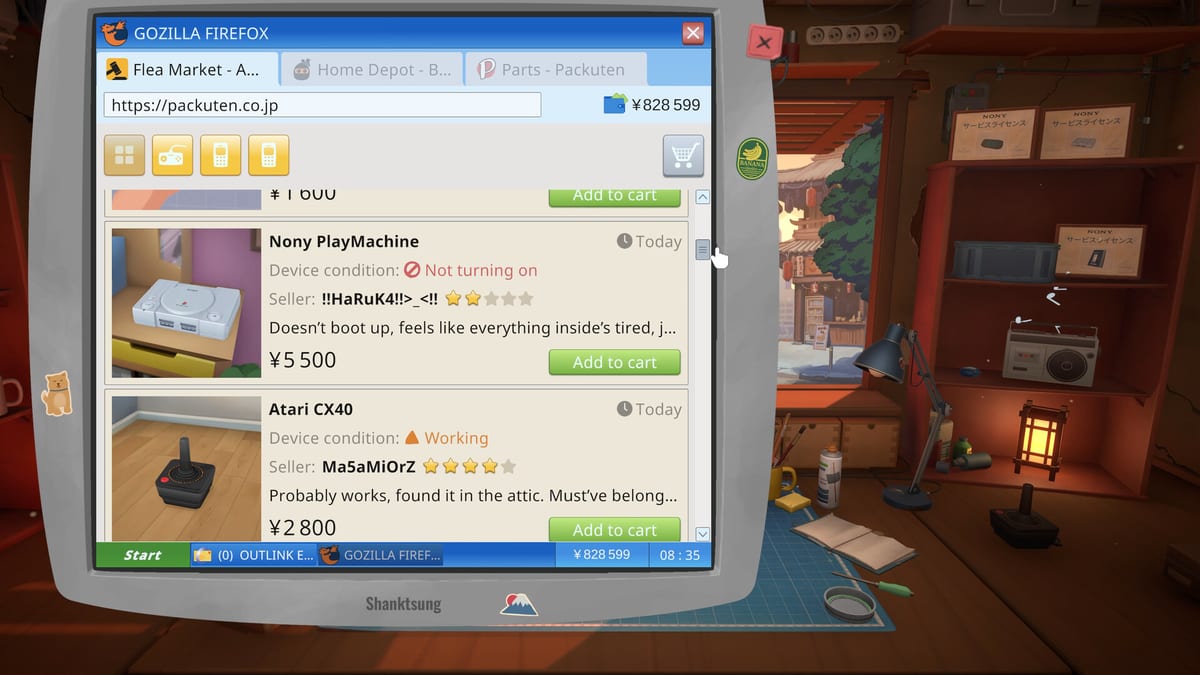
ReStory: Chill Electronics Repairs is marketed as a cozy repair sim, but its emotional weight lives in who walks through your door. Mandragora set the game in mid-2000s Tokyo so flip phones, virtual pets, and licensed Atari hardware feel culturally specific, not generic nostalgia wallpaper. Your shop becomes a confessional booth where firmware logs, deleted photos, and scratched plastic carry real stakes.
This hub indexes the narrative side of the wiki without replacing the mechanical guides. Use it when you care about Kenji’s unreleased tracks, Yuri’s burnout, or whether reporting Kazuo’s media player puts someone at risk.
How story and repairs intertwine
Every major customer thread follows a rhythm you will recognize after the tutorial:
- Intake dialogue — Tone and curiosity open or close future lines.
- Bench work — Inspection can reveal hidden files, mods, or damage that is not mechanical.
- Return conversation — Ethics and empathy matter as much as a clean reassembly.
That loop is why How to Play stresses reading emotional cues. Rushing to the screwdriver loses information the Dialogue choices guide assumes you noticed. The First Days walkthrough shows the pattern on your opening Pokia job with landlord Hashimoto before the cast expands.
Pages in this hub
| Page | Focus |
|---|---|
| Characters | Kenji, Yuri, Takashi, Hana, Kazuo, Grandma Chiyo, Hashimoto |
| Choices | Privacy, reporting, encouragement—without route spoilers for every flag |
| Reputation | Workshop standing, ethics, finances, and community trust toward endings |
| Endings overview | How endings cluster and what to replay for |
Pair character profiles with Devices catalog entries so you know which license gates a return visit. Takashi’s retro console and Hana’s flip phone both teach preservation versus customization—themes that echo in Upgrade priority when you choose conservative restorations.
Privacy and ethics as core themes
ReStory repeatedly asks whether you are a technician, a confidant, or a whistleblower. Kazuo’s jobs flirt with illegal content; Hana’s devices hold messages she may not want parents to see; Kenji’s player stores band recordings with no other backup. The game does not always label choices “good” or “evil.” It tracks reputation—how your neighborhood describes the shop when you are not in the room. The dedicated Reputation guide breaks down workshop quality, financial success, personal ethics, and habits that unlock hidden scenes.
Landlord Hashimoto adds economic pressure: he is not a villain monologue, but his attitude toward found property mirrors the privacy questions customers raise. Ignoring him creates rent stress modeled in Shop management; engaging honestly can unlock softer payment reminders.
Suggested reading order
First playthrough: Characters lightly, then play until Grandma Chiyo’s camera arc. Return to Choices before major return dialogues involving Kazuo or Hana.
Second playthrough: Endings overview first, then Early game walkthrough to rush licenses you missed. Cross-check Achievements for story-linked habits like reading every email thread.
Completionist: Sync with Updates so dialogue history is enabled—you will need it when juggling parallel character chains.
Links outside this hub
Mechanical support lives elsewhere on purpose:
- Controls — review dialogue history after the day-one patch
- Review — critical look at pacing and narrative payoff
- Guides hub — licenses, spare parts, endings glossary pages
Story progress never requires perfect mini-game scores, but returning devices late or gossiping can silently lock scenes. When a regular stops appearing, finish pending bench work and re-read the last return conversation before grinding random email jobs.
ReStory’s writing respects quiet moments: Grandma Chiyo proving stakes need not be criminal, Yuri finding hope in a virtual pet, Takashi treating shell scratches like personal failure. This hub helps you honor those beats while still paying rent in a believable Tokyo side street.
Frequently Asked Questions
Quick answers for ReStory players.
Do I need to finish every repair perfectly for story progress?
Usually no. Timeliness and dialogue matter more than flawless soldering. Severely botched jobs can still affect payout and reputation.
Can I experience the full story in one playthrough?
One run covers a complete arc, but branching choices and some achievements expect replays or manual saves before key conversations.
Where are dialogue choices explained without full spoilers?
Start with the Choices page and the Dialogue Choices guide under Guides. They frame ethics without listing every hidden flag.
Does Hashimoto affect endings?
He mainly pressures the economy loop, but how you handle his requests mirrors broader themes about property, privacy, and trust.