ReStory: Chill Electronics Repairs ReStory Characters
Every customer arrives with hardware in one hand and a life story in the other.
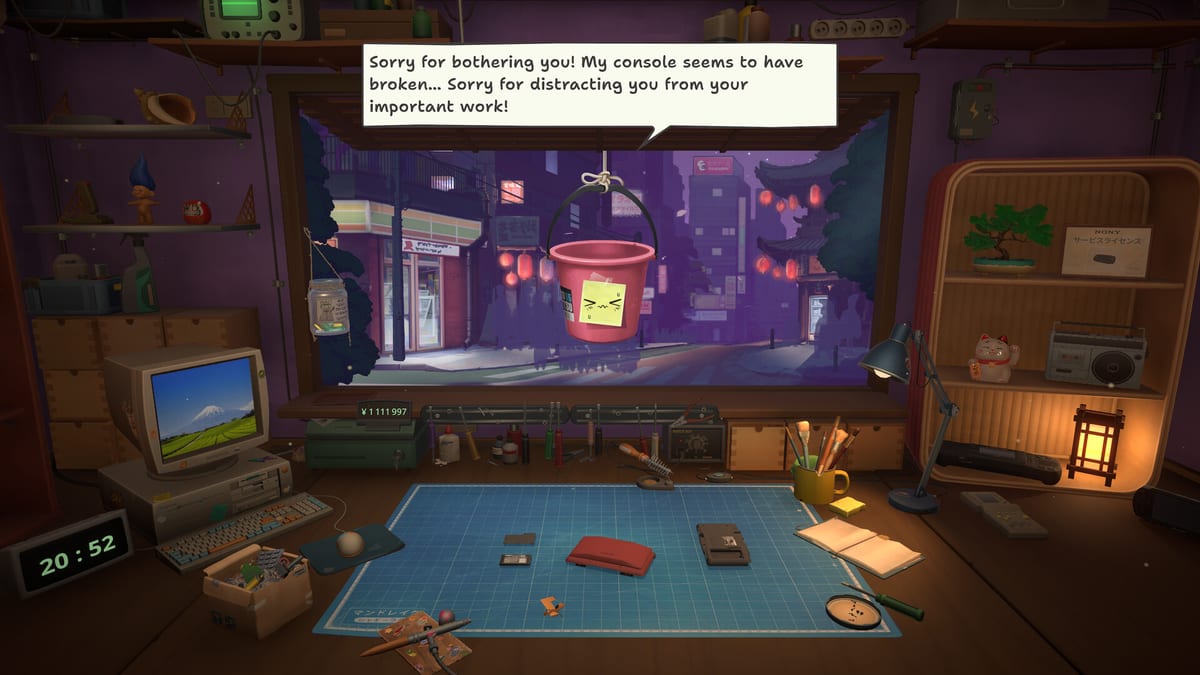
The cast of ReStory: Chill Electronics Repairs is smaller than an open-world RPG roster but denser than most cozy sims. Mandragora uses mid-2000s Tokyo gadgets as emotional containers: a virtual pet remembers Yuri’s healthier years, a flip phone holds Hana’s secrets, Kazuo’s media player blurs legality and livelihood. Your shopkeeper role is part technician, part witness. This guide profiles the recurring characters the wiki treats as narrative pillars—without printing every hidden flag.
Pair profiles with Story choices, Endings overview, and mechanical pages like Devices catalog when you need license or parts context.
Kenji — music worth preserving
Kenji carries a battered portable music player storing recordings from a band that no longer exists. Those tracks are not on streaming services; if storage dies, the performance dies with it. His arc asks whether you treat data as property, art, or someone else’s liability when backups touch gray areas.
Mechanically, Kenji teaches gentle handling of audio boards and storage modules—see Device difficulty. Ethically, he previews themes Kazuo amplifies: you may discover files during inspection that the customer did not mention. Responses at return shape reputation more than solder quality. Read Dialogue choices before his second visit.
Yuri — burnout and small comforts
Yuri arrives exhausted from office culture, clutching a childhood virtual pet whose beeps remind her life was once playful. She is not asking you to fix capitalism—only to restore a device that feels like a friend. Encouragement versus dismissiveness at intake ripples through later lines.
Repairs emphasize careful plastic latches and button membranes—failures feel personal. Yuri pairs well with Beginner tips about pacing your in-game day: her story rewards players who are not rushing every walk-in for maximum yen.
Takashi — preservation and collector trust
Takashi owns retro console hardware, including licensed Atari gear Mandragora integrated with official branding. Scratches matter; unauthorized shell swaps matter. He builds your reputation among collectors if you prioritize authenticity over shortcuts.
Tooling gates appear here first for many players: precision bits, conservative cleaning, diagnostic benches ranked high on Upgrade priority. Takashi’s satisfaction unlocks word-of-mouth jobs in Early game walkthrough—ignore his standards and email listings stay low-margin.
Hana — youth, privacy, and flip-phone culture
Hana embodies mid-2000s mobile fashion: charms, custom ringtones, infrared swaps. Her flip phones are socially loaded—messages, photos, and playlists she may not want adults to see. The game asks whether you report, warn, or stay silent when inspection reveals more than a cracked hinge.
License and hinge difficulty make Hana a mechanical checkpoint too. Upgrade magnification before accepting her chain if you struggled with ribbon cables. Story-wise, she contrasts Kenji: both involve data, but Hana’s stakes are intimate rather than archival.
Kazuo — crime, ethics, and profit pressure
Kazuo brings media players and requests that sound like “no questions asked.” Content on seized devices may be illegal or dangerous; reporting could protect someone—or ruin a customer who pays rent through gray markets. Kazuo tests whether your shop motto is profit, law, or mercy.
His arc intersects Shop management when you choose low-reputation high-pay work versus slower ethical growth. Pair with Story choices and Achievements categories about exploration and endings—you may need browser email threads to understand full context.
Grandma Chiyo — memory, family, and gentleness
Chiyo (often called Grandma Chiyo in community guides) carries an old camera and sometimes handhelds tied to family albums. Battery corrosion and light leaks are technical problems; loneliness is the narrative one. She proves ReStory does not need gangster plots to matter.
Repairs teach corrosion cleanup and patient soldering—post launch patch solder fixes help here. Dialogue should stay warm; harsh efficiency closes softer epilogue lines noted in Endings overview.
Hashimoto — landlord, rent, and found property
Kenzo Hashimoto owns the building. He collects rent, delivers your first major phone job in previews, and embodies a selfish streak: found items, in his view, belong to him. He is not a moustache-twirling villain; he is the economic clock forcing you to balance ethics with solvency from How to Play.
Hashimoto mirrors customer privacy themes—whose device is whose?—on the business side. Paying late triggers stress; paying early rarely unlocks story, but it buys time for Kazuo or Kenji return visits. See First Days walkthrough for his opening Pokia tutorial beat.
How characters connect across hubs
| Character | Primary device theme | Wiki follow-ups |
|---|---|---|
| Kenji | Audio / storage | Parts checklist, choices guide |
| Yuri | Virtual pet | Beginner pacing, beginner tips |
| Takashi | Licensed consoles | Tool unlocks, device difficulty |
| Hana | Flip phones | Licenses, story choices |
| Kazuo | Media / ethics | Endings, achievements |
| Grandma Chiyo | Cameras | Repair guide, soldering settings |
| Hashimoto | Rent / economy | Shop management, walkthrough |
Playing the cast without a spreadsheet
You do not need to memorize tables. Rule of thumb: listen at intake, inspect honestly, choose return lines that match the shop you want to run. Characters reappear when treated consistently; they fade when ignored or betrayed.
For replay planning, note manual save points before Kazuo or Hana returns—added comfort from the launch patch manual save feature on Controls.
ReStory’s characters reward empathy without punishing every pragmatic yen choice. Know them, and the mid-2000s Tokyo street outside your shutter feels inhabited rather than decorative.
Frequently Asked Questions
Quick answers for ReStory players.
Which character should I prioritize for first-playthrough story?
Follow natural walk-ins—Hashimoto and early phone jobs first, then Kenji, Yuri, and Chiyo. Kazuo and Hana land best when you understand privacy themes.
Are character names different in localized builds?
Steam supports multiple languages; names may vary slightly in UI text. This English wiki uses the common community spellings from the Steam release.
Do I need every character for the true ending?
Endings cluster by ethics and shop reputation rather than a single romance route. See Endings overview without expecting one mandatory character.
Can I refuse jobs from Kazuo or Hashimoto?
Some requests can be deferred; refusing everything tagged economic may stall upgrades. Balance role-play with rent guidance in shop management.