ReStory: Chill Electronics Repairs How to Unlock Repair Licenses
Open new device categories, story jobs, and higher payouts without missing deadlines.
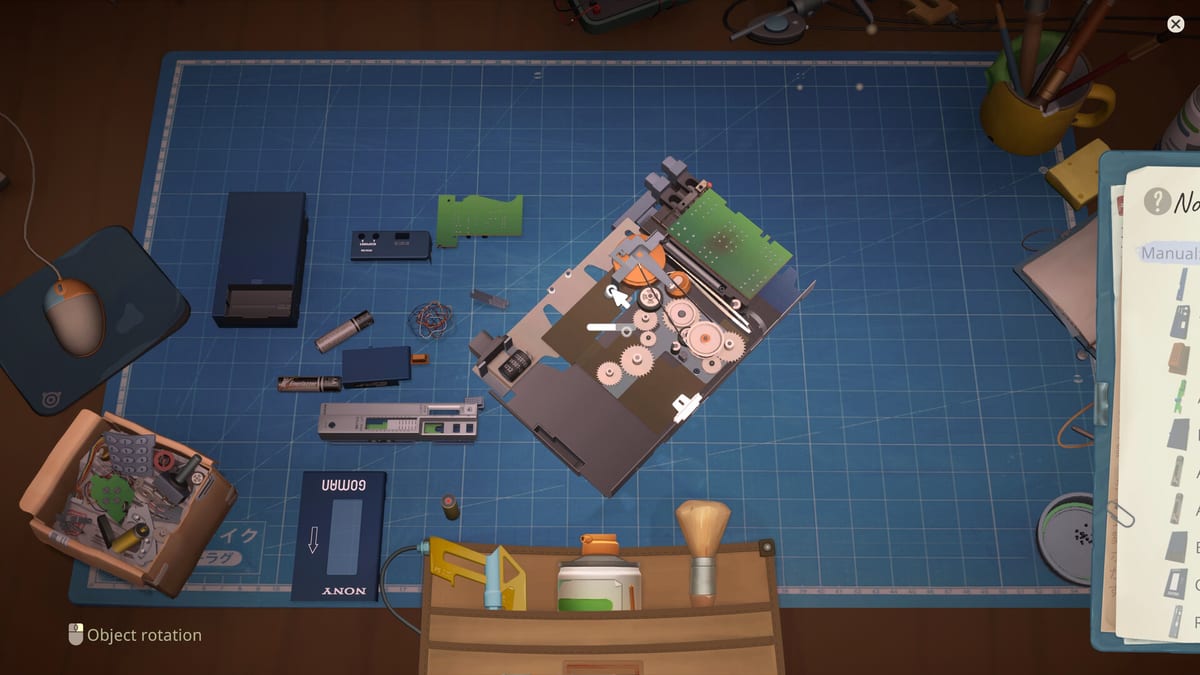
Licenses in ReStory: Chill Electronics Repairs are more than menu checkboxes—they gate legally opening certain hardware, unlock higher-paying narrative jobs, and signal trust from customers who refuse to hand a licensed Atari console to an unqualified bench. This guide explains how the license system fits the mid-2000s Tokyo fantasy, what to unlock first, and how story characters push you toward each tier.
What licenses represent
Japanese urban repair culture in the 2000s mixed informal neighborhood shops with manufacturer rules on branded gear. ReStory abstracts that tension: you can swap screws on a basic Pokia day one, but consoles, specialty handhelds, and plot-critical devices demand certified paperwork purchased in-game.
Attempting a locked category before certification either blocks acceptance at intake or stops teardown mid-animation. Always check the license panel before promising a return date to Takashi or Hana.
How to purchase licenses
Licenses unlock through your shop management interface—typically alongside tool upgrades on the same terminal you use for finances. Requirements usually combine:
- Flat yen fee — Budget alongside rent to Hashimoto.
- Story progress — Specific customers must reach certain beats.
- Prerequisite license — Higher tiers assume basic phone or handheld certification.
Cross-reference exact names and costs on Tools unlocks as patches adjust prices post-launch on Steam app 3812600.
Recommended unlock order
This order balances income, story access, and repair teaching moments:
- General consumer electronics — Covers early walk-ins and email jobs; often implicit in tutorial progression.
- Advanced mobile / Pokia-tier — Unlocks richer phone jobs tied to privacy scenarios in Dialogue choices.
- Handheld entertainment (Nony PMP class) — More screws, better margins, good practice before consoles.
- Licensed console (Atari) tier — Required for branded hardware highlighted in marketing and several story arcs.
- Specialty / plot licenses — Appear when Kenji, Kazuo, or Grandma Chiyo introduce devices outside standard categories.
Compare with the Upgrade priority tier list: licenses and the electric screwdriver compete for the same early savings pool. If a story appointment is 48 in-game hours away, prioritize the license; if you are grinding email jobs, prioritize the screwdriver.
Story gates and characters
Licenses rarely appear in isolation—they arrive when narrative justifies them:
Kenji and Yuri — Early neighborhood threads introduce shop reputation. Friendly, thorough repairs keep referrals flowing toward license vendors or subsidized exams.
Takashi — Often associated with entertainment hardware and stricter customer expectations. Missing his license tier delays console-class work.
Hana — May bring delicate portable devices; dialogue tone during intake can affect how quickly she trusts you with follow-up jobs.
Kazuo and Grandma Chiyo — Side threads sometimes unlock discount vouchers or waived exam fees rather than new categories outright.
Hashimoto — Not a license vendor, but rent pressure determines whether you can afford certification the day it unlocks. See Shop management.
Track branching requirements on Story choices without assuming one playthrough reveals every vendor shortcut.
Licensed Atari consoles
Officially licensed Atari hardware is a selling point for ReStory. These devices use proprietary shells and board layouts distinct from generic clones in the Devices catalog.
Console licenses matter for:
- Higher part costs balanced by higher payouts
- Soldering checks on power and AV sections
- Story scenes set around nostalgic living-room setups
Stock console-capable parts via How to Get Spare Parts before accepting your first Atari job—browser listings for console caps sell out after word spreads in-game.
Managing license costs with repairs
Licenses do not replace the core loop from How to Repair. They expand what you may open once on the bench. Funding strategy:
- Run email batches for predictable income (How to Play).
- Salvage donors until new-part costs stabilize.
- Defer cosmetic shop upgrades until at least one mid-tier license is owned.
If you are one license fee short, finish pending low-tier jobs instead of gambling on auction flips the same day rent is due.
Licenses vs tools vs parts
| Investment | Solves | Does not solve |
|---|---|---|
| License | Category access, story jobs | Missing screws skill |
| Electric screwdriver | Speed on allowed devices | Locked categories |
| Parts stock | Comeback prevention | Legal opening of consoles |
Missed deadlines and soft blocks
If a customer arrives with a locked device:
- Apologize and defer in dialogue when possible—some lines preserve relationship points for Endings.
- Complete prerequisite repairs for other characters; license prompts often trigger after unrelated jobs.
- Check whether you unlocked the license but forgot to pay the fee—UI sometimes separates purchase from activation.
Second playthrough planning
Licenses persist within a save, not across new games. On replay, speed-run unlocks by:
- Focusing email income first week
- Skipping optional flips
- Reading Beginner Tips route efficiency notes
Ethical choices may still alter which licenses become discounted via story—see Secrets for optional vendor interactions without spoiling full routes.
Related pages
- First Days walkthrough — When the tutorial mentions certification
- Controls — Navigate license menus quickly
- Review — Pacing critique if license costs feel steep
Unlocking licenses on schedule keeps ReStory’s narrative and economic layers aligned: you are not just fixing gadgets—you are earning the city’s trust to open the hardware that carries its stories.
Frequently Asked Questions
Quick answers for ReStory players.
What happens if I repair a device without the right license?
The game prevents full acceptance or stops teardown on locked categories. You must purchase and activate the correct license tier before completing those jobs.
Which license should I unlock first after the tutorial?
Follow story prompts toward advanced phones or handhelds based on your next scheduled customer. Console licenses matter once Takashi or Atari-class jobs appear.
Do licenses cost money every in-game month?
Licenses are typically one-time certification purchases, not recurring fees. Rent and utilities remain the ongoing drains on your budget.
Can story choices block license access?
Harsh dialogue or missed appointments can delay side discounts and vendor introductions, indirectly slowing certification. Core licenses still unlock through main progression if you stay solvent.
Are Atari repairs separate from generic consoles?
Yes. Licensed Atari hardware uses dedicated certification reflecting branded parts and story significance. Check the Devices catalog for model-specific notes.